
Markets US
A three-month shortage of Sanofi’s Pompe disease treatments has left patients without critical infusions, raising concerns over supply chain reliability and corporate transparency.
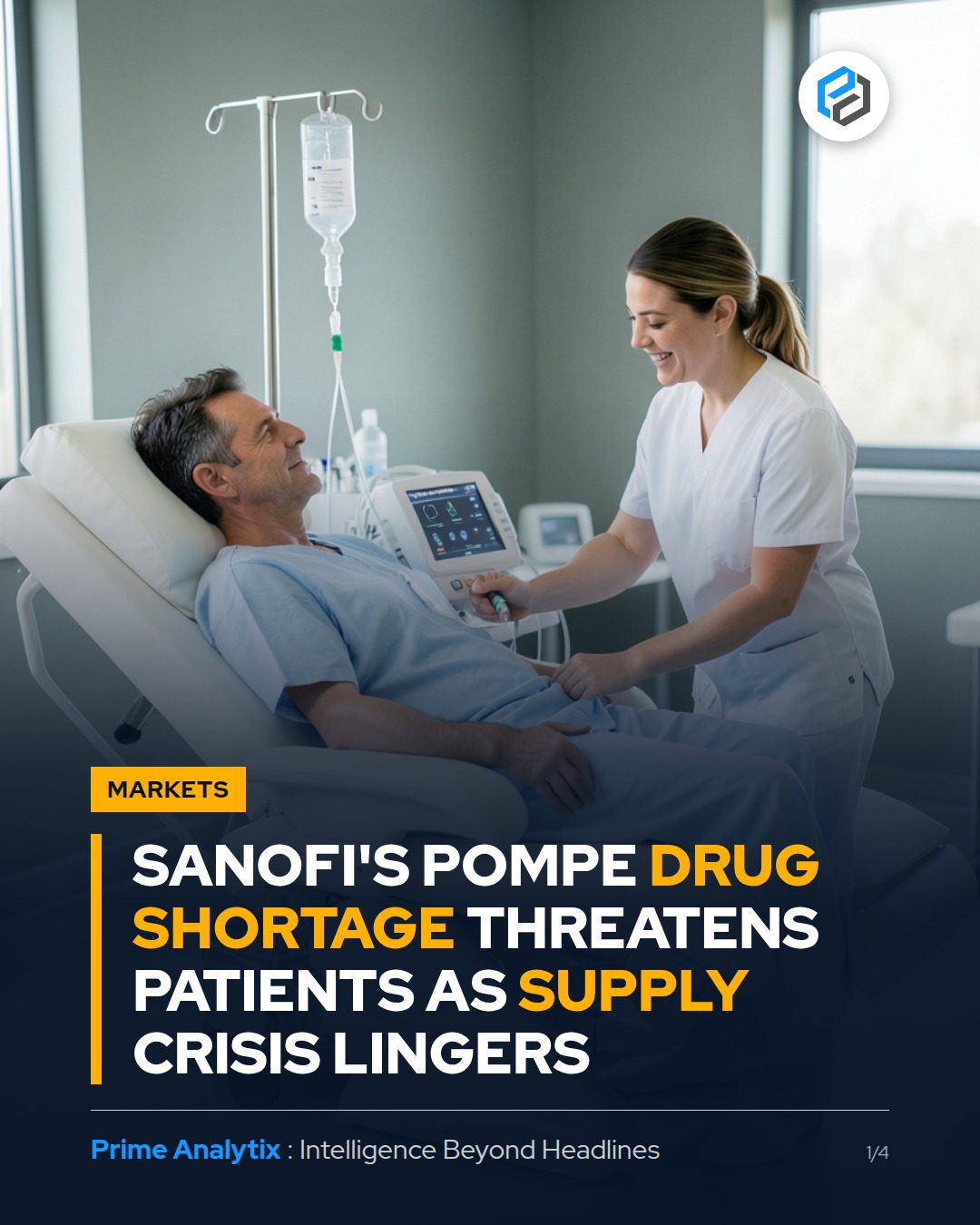
The ongoing shortage of Sanofi’s Pompe disease drugs—caused by manufacturing issues at its Ireland facility—is disrupting patient care. The FDA cited the site for violations in January 2026 and issued a warning letter to Sanofi on June 22, 2026, after it failed to address compliance concerns. Patients with Pompe disease require infusions every two weeks to manage their condition, but many have had treatments canceled due to delays.
The shortage highlights critical gaps in the supply chain for rare diseases and underscores the reliance on single-source manufacturers like Sanofi. Advocacy groups report frustration over a lack of transparency from the company as patients face irreversible health declines without regular infusions. The FDA has continued monitoring the situation, offering assistance while urging faster resolution.
Sanofi’s Lumizyme and Nexviazyme are among the primary treatments for Pompe disease, with Lumizyme having been used since 2010. While alternative therapies from companies like Ask Bio and Astellas Pharma are in clinical trials, they remain years away from widespread availability.
Sanofi has stated it is working to stabilize supply but warned that shipping delays could affect U.S. patients through November 2026. The FDA continues to monitor the situation closely.
The shortage underscores systemic risks in rare disease treatment access and highlights the urgent need for more resilient supply chains.
Topics: Drug Shortage, Pompe Disease, FDA Regulation, Sanofi Manufacturing, Clinical Trials, Rare Diseases
#SanofiShortage #PompeDisease #FDACompliance #RareDiseasesAccess #DrugCrisis
Source: CNBC
Post a Comment
Post a Comment